
How to Deliver a Consistent Hotel Brand Experience
A consistent hotel brand experience means guests feel the same tone, standards, and service quality at every touchpoint, whether they contact the hotel by phone, check in at the desk, enjoy the room, or use the website and app. The goal is simple: the brand should feel recognizable and dependable from the first interaction to checkout.
Start by aligning leadership on clear, non-negotiable brand standards and turning them into specific behaviors. Define what “great” looks like for greetings, timing, room and dining presentation, complaint recovery, and the checkout flow, then document those rules with observable criteria and simple visuals so managers and staff can apply them consistently.
To prevent standards from drifting, operationalize the guidelines through SOPs, employee handbooks, and repeatable training that includes scenarios and roleplay. Reinforce results with manager observation and mystery checks, keep multi-location service steady through cross-training and shift exchanges, and match the physical experience with digital channels by coordinating your booking journey, support tone, and self-check-in steps.
Start With Leadership Alignment On Non-Negotiables
A consistent hotel brand experience breaks down when leaders disagree on what “good” looks like. Even strong teams can deliver different vibes if each property interprets priorities in its own way. Start by aligning leadership on the standards that guests should feel identically, no matter the city or shift.
Focus on a short list of touchpoints that shape the stay quickly. Phone and check-in greetings, room presentation, dining look and feel, complaint recovery steps, and checkout behaviors should have clear boundaries. When those boundaries are unclear, staff spend time debating instead of executing, and guests sense the inconsistency instantly.
Turn Brand Standards Into Observable Touchpoint Criteria
Vague guidance creates vague outcomes. Replace “be friendly” with observable criteria that someone else can verify in real time. A living brand book should translate brand values into checkable behaviors, include call scripts, and define response times like 3 rings or under 30 seconds for phone pickup.
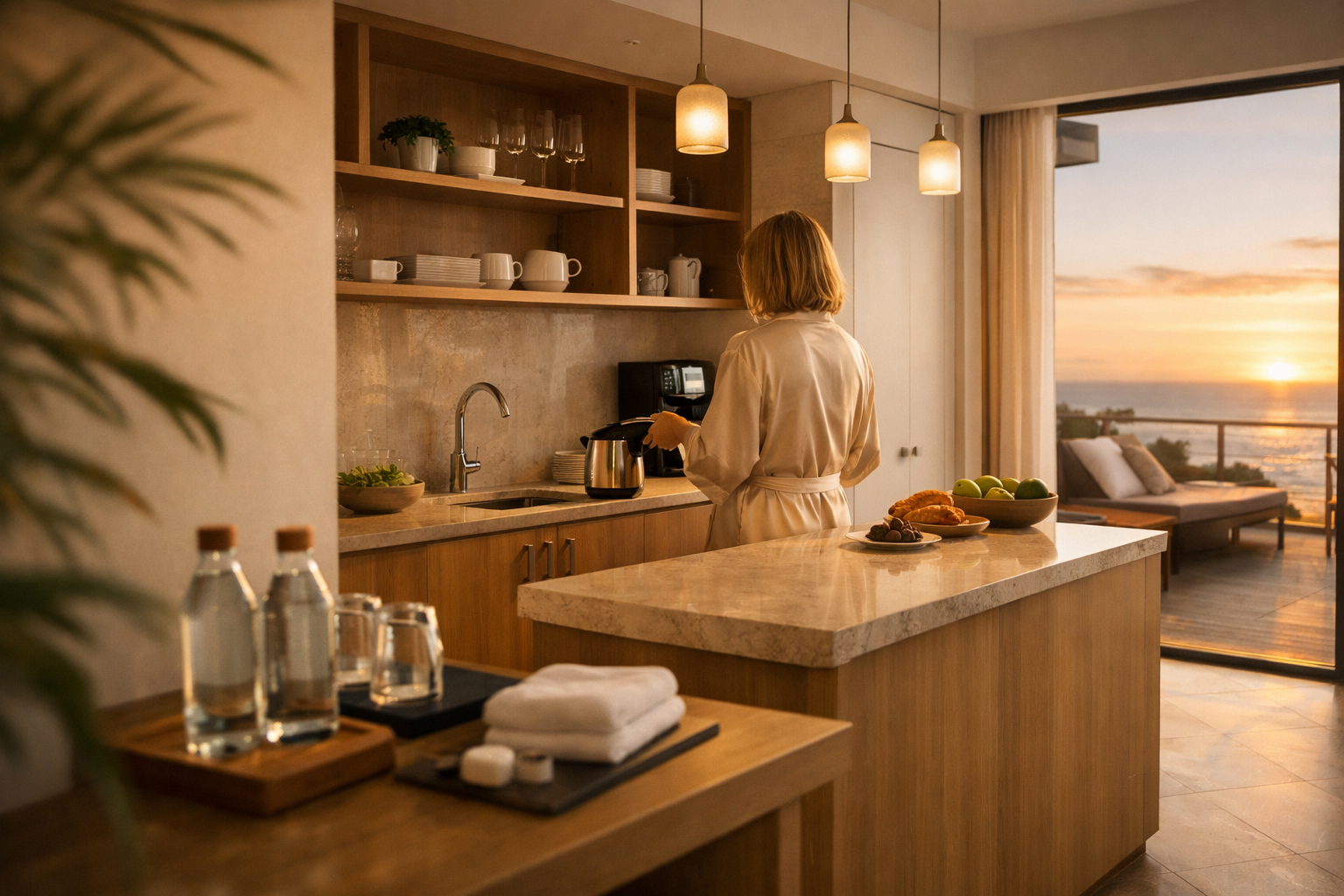
To make standards usable on day one, publish them as measurable touchpoint requirements. Here is a small sample of how your criteria can look for key arrival moments.
| Guest Touchpoint | Measurable Target | Observable Standard |
|---|---|---|
| Phone Greeting | Under 30 seconds | Script used, name offered |
| Check-In Greeting | First response under 60 seconds | Welcome line said, check-in flow explained |
| Room Presentation | 2 minutes to settle | Laundry folded, lights set, scent applied |
| Dining Arrival | 5-minute seating window | Host introduces plan, menus presented neatly |
| Complaint Recovery | Within 10 minutes | Acknowledge, offer option, confirm next step |
After you publish the criteria, add simple visuals. Include photo examples of correct and incorrect room presentation, screenshots of the booking engine steps, and short scripts for problem scenarios. This reduces “interpretation drift” because staff can point to the standard instead of debating opinions.
Operationalize Standards Across People And Properties
Once the standards are precise, you need SOPs that explain exactly how work moves from moment to moment. Tie each touchpoint to a step-by-step process in SOP documents and ensure the employee handbook mirrors the same language. When staff see the same terms in training, shift notes, and SOPs, execution becomes automatic.
Standardized training should include scenarios and roleplay, not just slides. Run repeatable practice for difficult moments like late arrivals, billing questions, noise complaints, and amenity missing cases. Build recertification into the calendar with manager observation and targeted coaching so performance stays consistent, even when teams change.
For multi-location consistency, operational design matters as much as training. Use cross-training and shift exchanges that rotate key employees across properties, so the best practices become shared muscle memory. When the same people work different buildings, differences shrink faster because habits become aligned.
Synchronize Physical And Digital Channels With Shared Data
Guest perception does not split into “online” and “on-site.” Your consistent hotel brand experience must hold across the website, booking engine flow, digital support tone, mobile app, and any self-check-in experience. If the phone greeting sounds warm in person but the online chat is cold or vague, guests notice the mismatch immediately.
Keep the tech stack aligned across locations so service history travels with the guest. Use unified systems like CRM and property management workflows to carry preferences, stay notes, and prior requests into the next interaction without turning it into extra work for the front desk. Coordinate rollout indicators for new technology so properties launch changes together, not one by one.
Finally, centralize brand assets and unify feedback loops. Maintain a single digital asset management source for approved materials, renovation design motifs, and signage specs, then enforce consistent ambience through cleanliness standards, scent, music, and lighting guidelines. Collect guest feedback through one route, analyze it centrally, and correct recurring issues quickly so quality improves in a loop, not a cycle of repeats.
How to Deliver a Consistent Hotel Brand Experience
What Brand Standards Should Be Non-Negotiable to Ensure a Consistent Hotel Brand Experience?
Set clear, measurable guest touchpoint standards for check-in, room and dining presentation, complaint recovery, and checkout behaviors, then apply them through SOPs, standardized training, and role-play scenarios, with ongoing monitoring like manager observation and mystery checks to prevent drift across properties.
How Do You Align In-Person and Digital Touchpoints for a Consistent Hotel Brand Experience?
Keep the online and on-site experience aligned by matching booking flow, staff greeting tone in digital support, mobile app messaging, and any self-check-in steps to the in-person process, while using the same core systems and coordinated rollout for tech so preferences and history carry through under the same service standards.
How To Keep Every Guest Feeling The Same Hotel Brand
To deliver a consistent hotel brand experience across every property, focus on clear standards for each guest touchpoint, turn them into practical SOPs and hands-on training, and monitor results so service quality does not drift over time. When physical details and the digital journey match, and feedback is handled through one shared system, guests get the same tone, timing, and care no matter where they book or check in.